


Short-term support for the most fragile phase
Short-term support during the critical early recovery phase, so essentials like food, transportation and safe housing never derail hard-won progress.
Financial Stabilization
Removing the pressures that reset the clock
Treatment is the first critical step, but the most fragile part of recovery begins after someone leaves treatment.
Without stability, many lose the progress they worked so hard to achieve, resetting the clock back to where they began. Short-term financial stabilization helps residents stay focused on healing, health and work during those early months.
This support is made possible by the generosity of donors who believe that no one should rebuild alone.

What your support covers
Essentials that protect progress
Here is what donor-funded support can provide for a resident in early recovery.
Groceries
$50 feeds a resident in recovery for a full week.
Transportation
$100 provides a month of bus transportation for job interviews, work and recovery meetings.
Safe, sober housing
$200 sponsors a week of safe, sober housing for a resident facing financial hardship.
First job launch
$500 provides first job launch support as a resident steps into employment.
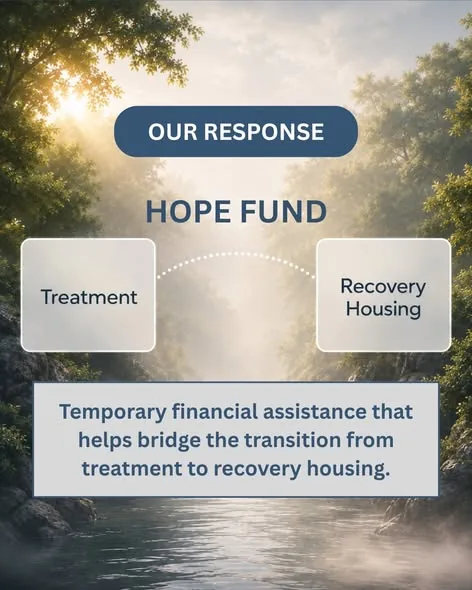
Our response
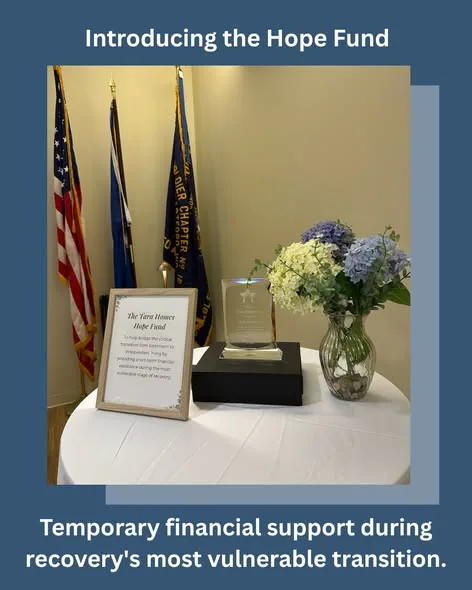
Introducing the Hope Fund
Temporary financial assistance that helps bridge the transition from treatment to recovery housing.
Many women are ready to say yes to recovery, but can’t cover the cost of a safe place to live in the days after treatment. The Hope Fund closes that gap, so readiness isn’t lost to finances.
Fund a fresh start
Choose the gift that moves someone forward
 $50
$50 $100
$100 $200
$200 $500
$500Where it fits
Support through the critical stabilization window
Financial stabilization supports residents through the early stages after treatment, when unexpected costs can undo months of progress.
- Treatment
- Housing Stabilization
- Healing & Confidence
- Workforce Readiness
- Employment Stability
- Independent Living
Be the first to share your experience with Financial Stabilization
Has Tara Homes been part of your journey, or the journey of someone you love? Your words can light the way for the next woman ready to begin again.
Questions
Frequently asked questions
What is financial stabilization?
It is short-term support during the critical early recovery phase, helping residents cover essentials so they can focus on recovery, health and employment.
What is the Hope Fund?
The Hope Fund is temporary financial assistance that helps bridge the transition from treatment to recovery housing, during recovery’s most vulnerable transition.
What can this support help cover?
Donor gifts help cover essentials such as groceries, bus transportation for job interviews, work and recovery meetings, weeks of safe, sober housing for residents facing financial hardship, and first job launch support.
How is it funded?
Financial stabilization is made possible by donors, volunteers and community partners. Tara Homes Foundation is a 501(c)(3) tax-exempt organization, and all contributions are tax-deductible.
How can I help?
You can make a gift, check whether your employer matches charitable donations, or get involved as a volunteer or partner.
No one should rebuild alone.
Your support helps create more stories of lasting recovery. Refer a woman who is ready for a fresh start, or give hope today.